Quick Look: Kentaro Kojima

- Details
- Last Updated: Tuesday, 23 July 2019 01:54
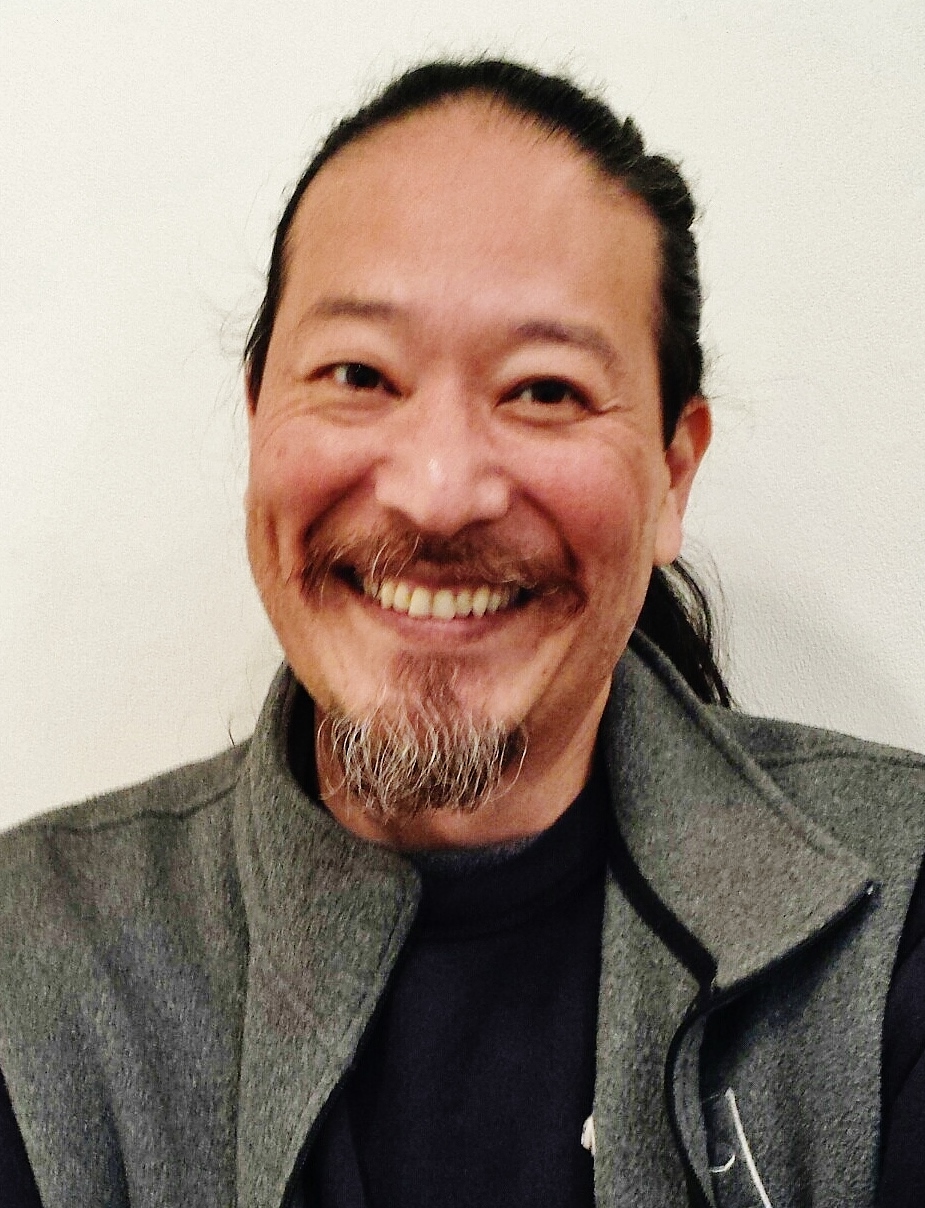
I sometimes find myself being obsessed with a form or a pattern. Whenever this happens, I let my obsession take me wherever it will. I have learned that that seems like the way I function.
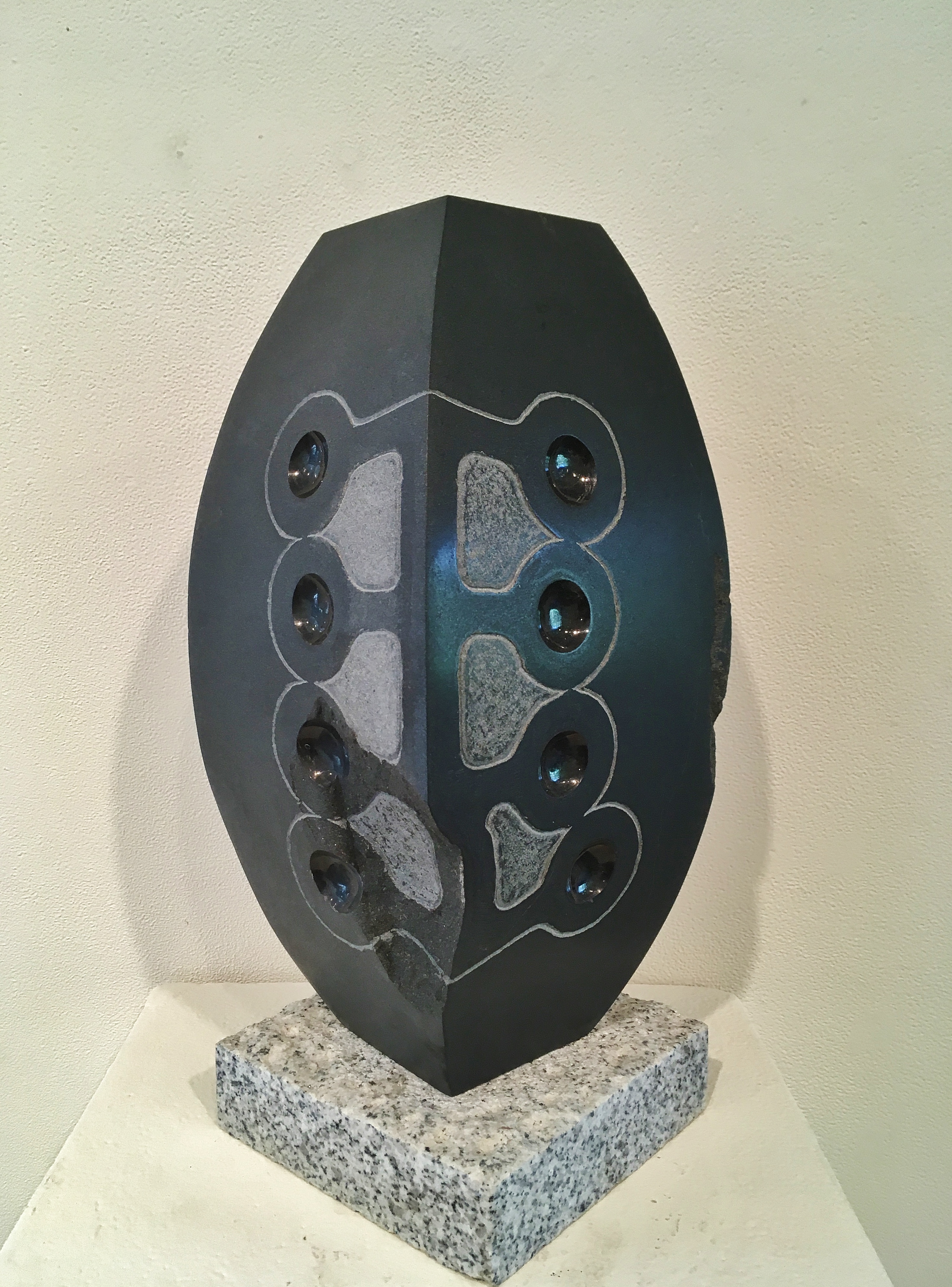
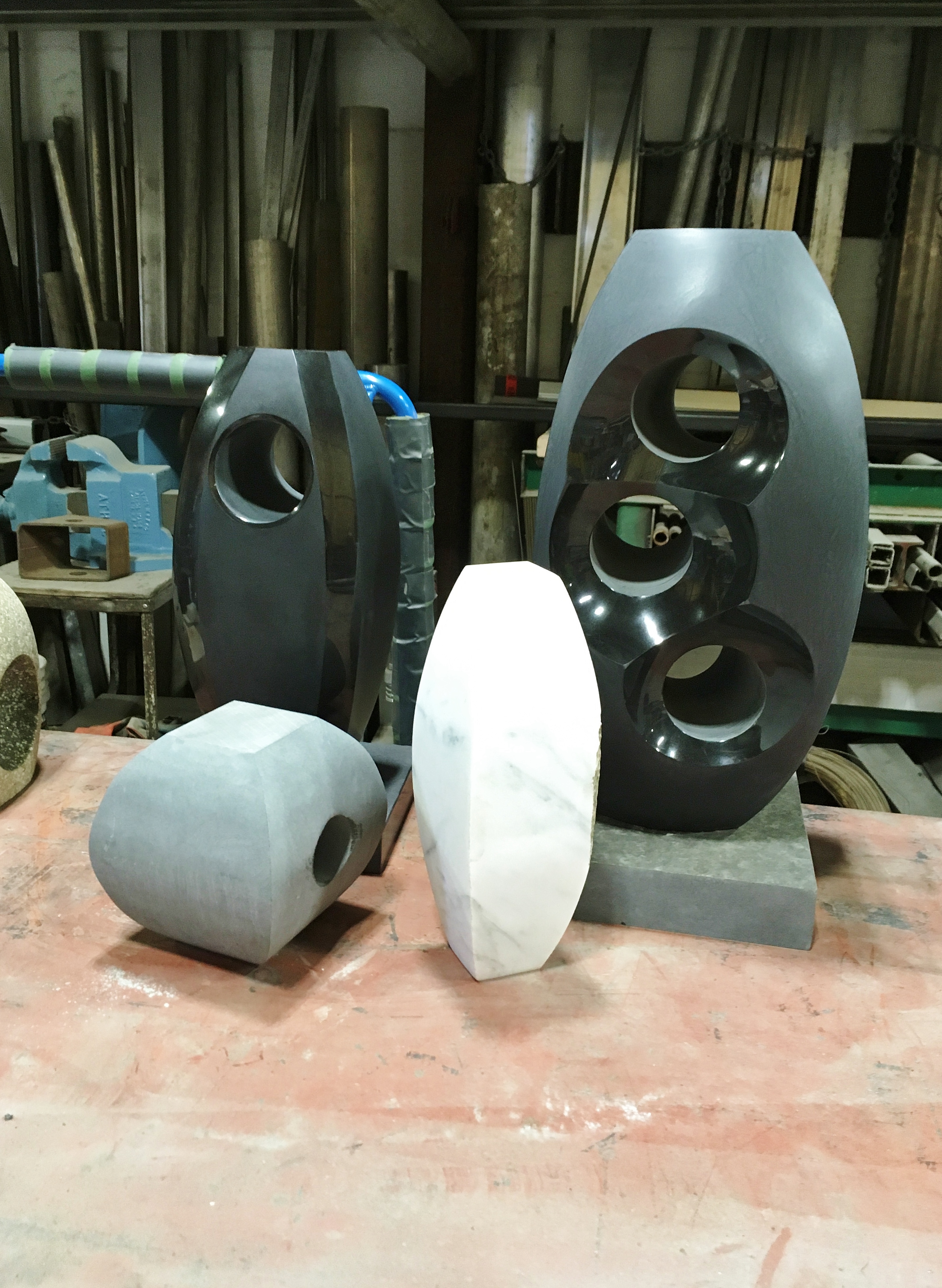 My current obsessions are the polished little bowls connected with lines and a very controlled boxy form with curved walls.
The bowl/lines pattern emerged organically and it has been pointed out that, somehow, it resembles something Mayan (a pattern that looks like “it means something”, as my sister puts it).
The other obsession, the curved boxy form, I think has the origin in two places. One is Uchida’s forms and the other is Seattle Solstice, where I rent a space to carve. Uchida’s influence is deep in my work and I am proud of it.
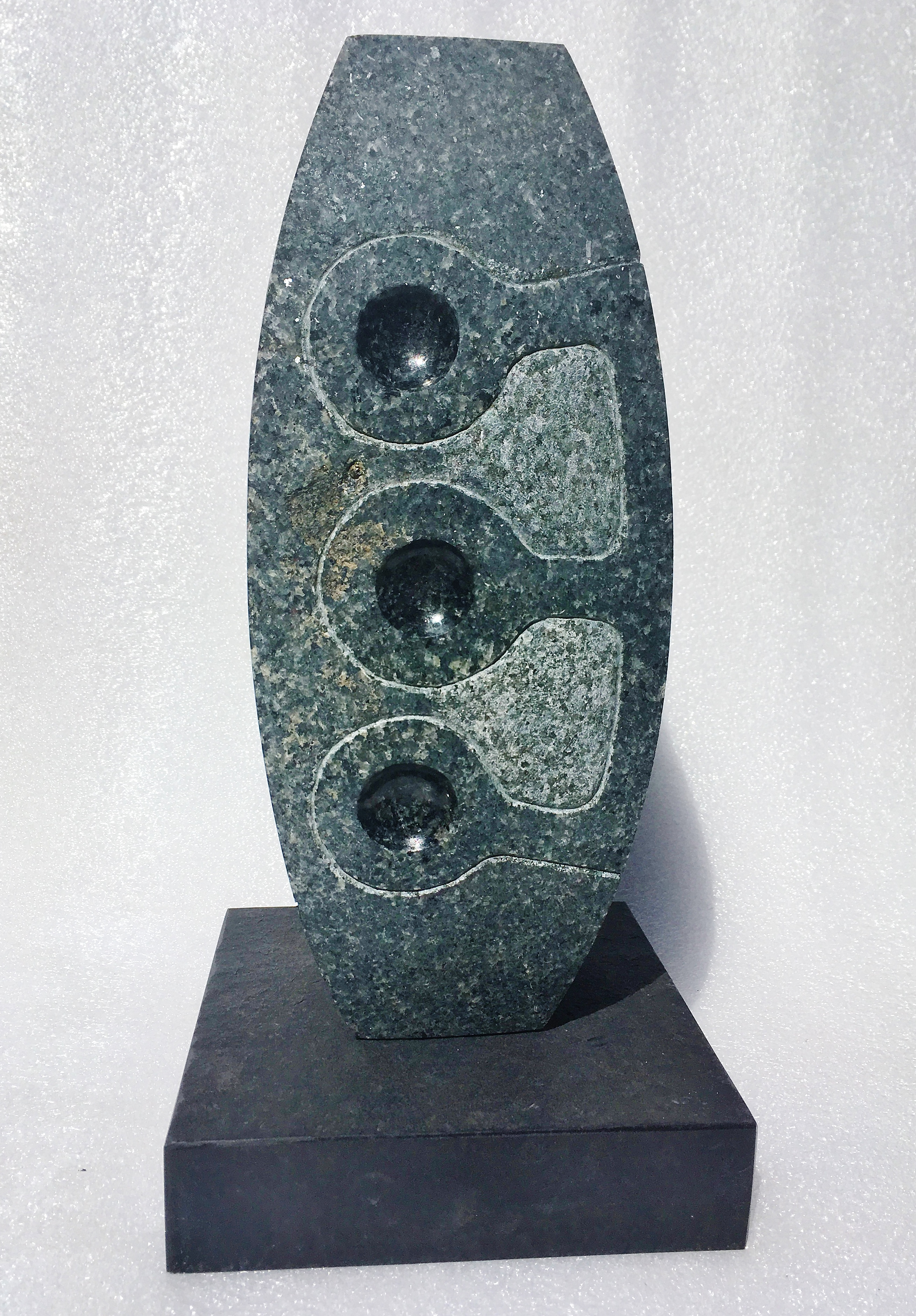
As I realized that I started to make this form after I started working in Solstice’s space, I realized that working there and interacting with Stuart and Jason (the owners of Seattle Solstice) must have something to do with it. I am convinced that their approach to shaping stone heavily influenced this form. They measure and calculate and measure and calculate before doing anything to the stone and then, they stay as accurate as long as they can. Not rushing to get to the form, but, gradually and in a very controlled manner, they get to the final surface of the stone.
That is how I am creating these forms (although, the Solstice guys tell me that my work has that “much sought after ‘hand-formed and hand-finished look’” to it…) Now I am trying to combine these two obsessions. It is exciting.
 I am looking forward to finding more obsessions and letting them lead me to wherever they will take me!
 In this time and space, is Dodier an artist? Or an entrepreneur; or a sculptor; or a performer; or a scientist; or a hair stylist; or a farmer? I am definitely a little bit of all of that! Born and raised on a farm in the province of Québec, Canada, I grew up appreciating stone, contrary to many farmers who despised them. As a matter of fact stone stacks were playgrounds and each stone could incarnate treasures to be discovered. This interest for stone really reignited ten years ago, when I tackled my first carving, Cybèle, a pregnant figure, meaning the birth of my art. When I carve there is a delirium of stories coming out of the mechanics of carving. Is this normal?
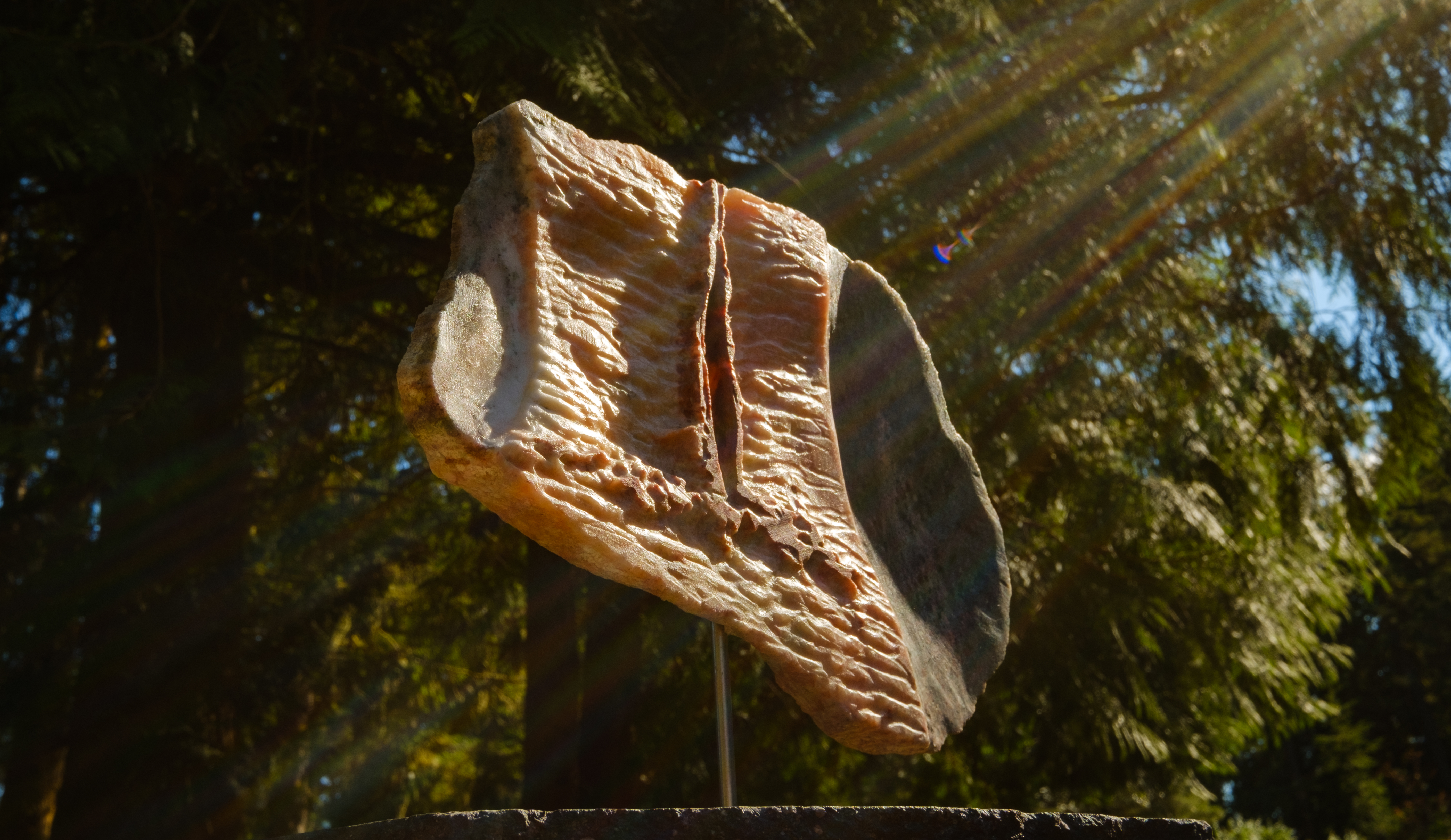 Approach to “Murmure”: I simply wanted to create something fluid and abstract and let the stone speak. I want it crude, which is explained by the bumps passing thru the body of the silhouette. Then the red part, which was the hardest part of the stone, would resemble a splash of water dripping or exploding and squirting. All through that dime-sized passage, we can see through and imagine the versatility, the vulnerability, the sensuality, sexuality, fertility, love, hate and the entire well-kept intimate secrets of her flesh. I simply could not resist exposing the crude and bloody femininity of her organ in all her nudity, and without camouflaging stories of her womanhood.
 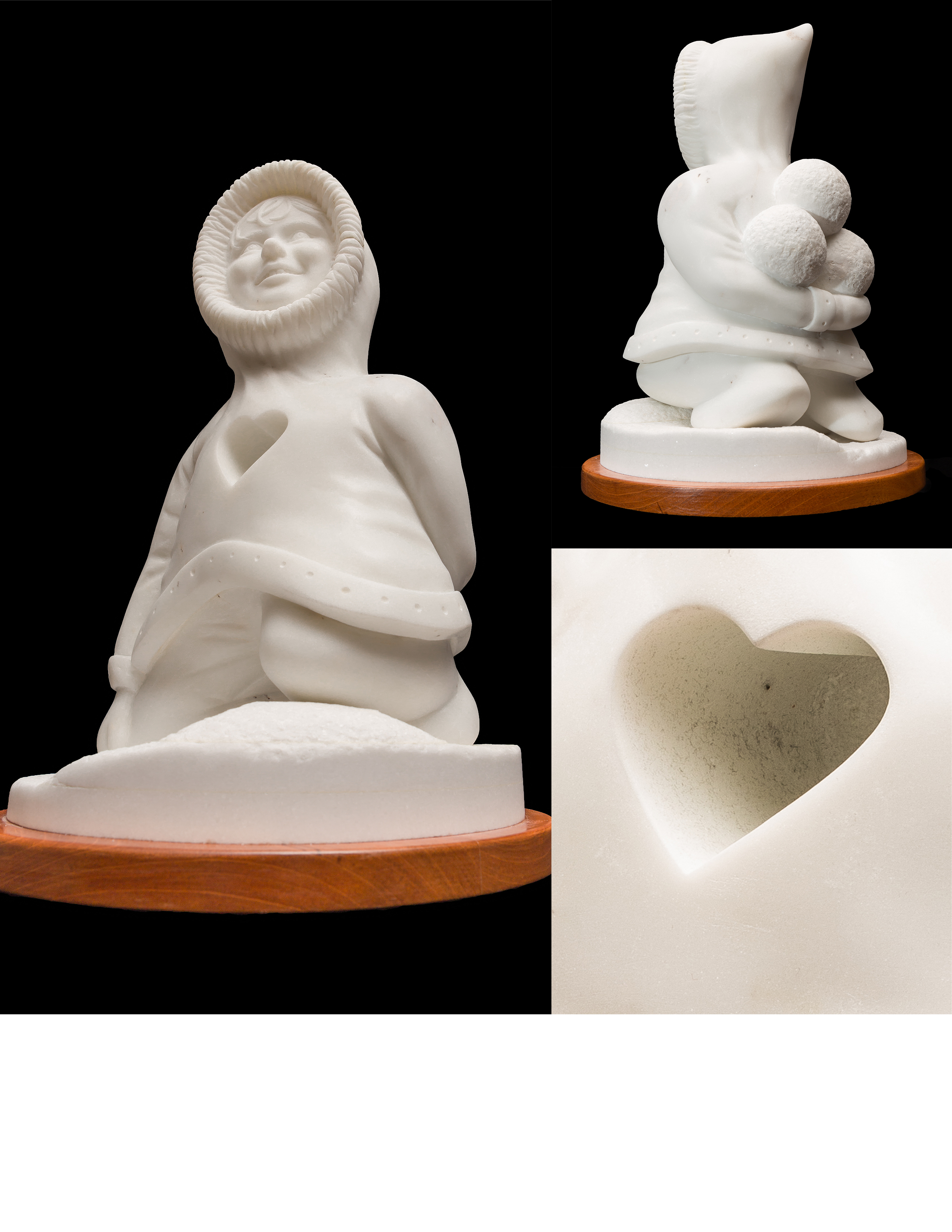 I researched proportions by creating a model to help me see through possible pauses. That helped me tremendously. Then I got stuck with what to do with the extra stone in the back of my figure. It was through a brainstorm session with colleagues that it was revealed to me that I would carve three snowballs in her back. The next challenge was to figure out the balance. So, I created a wire figure model.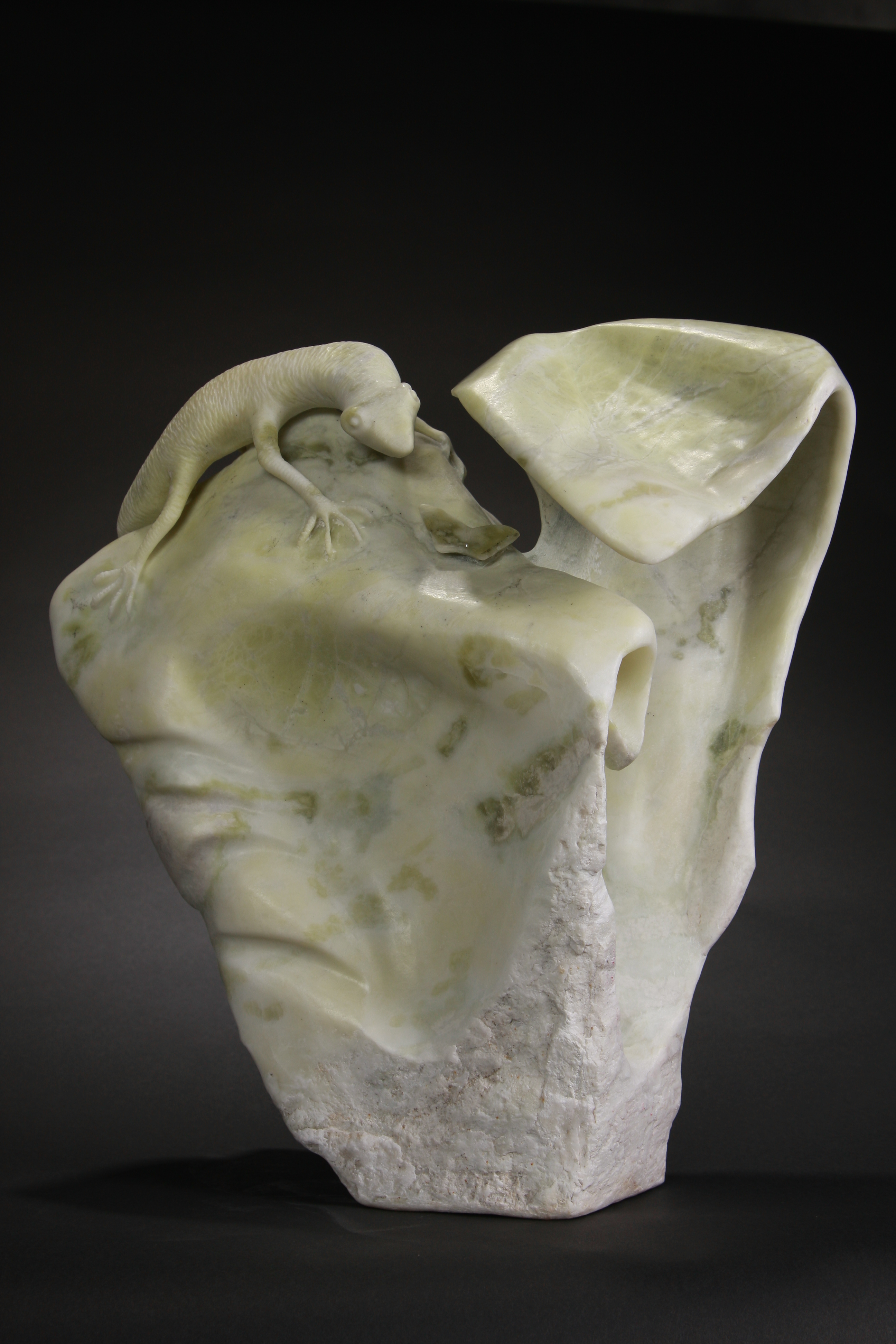
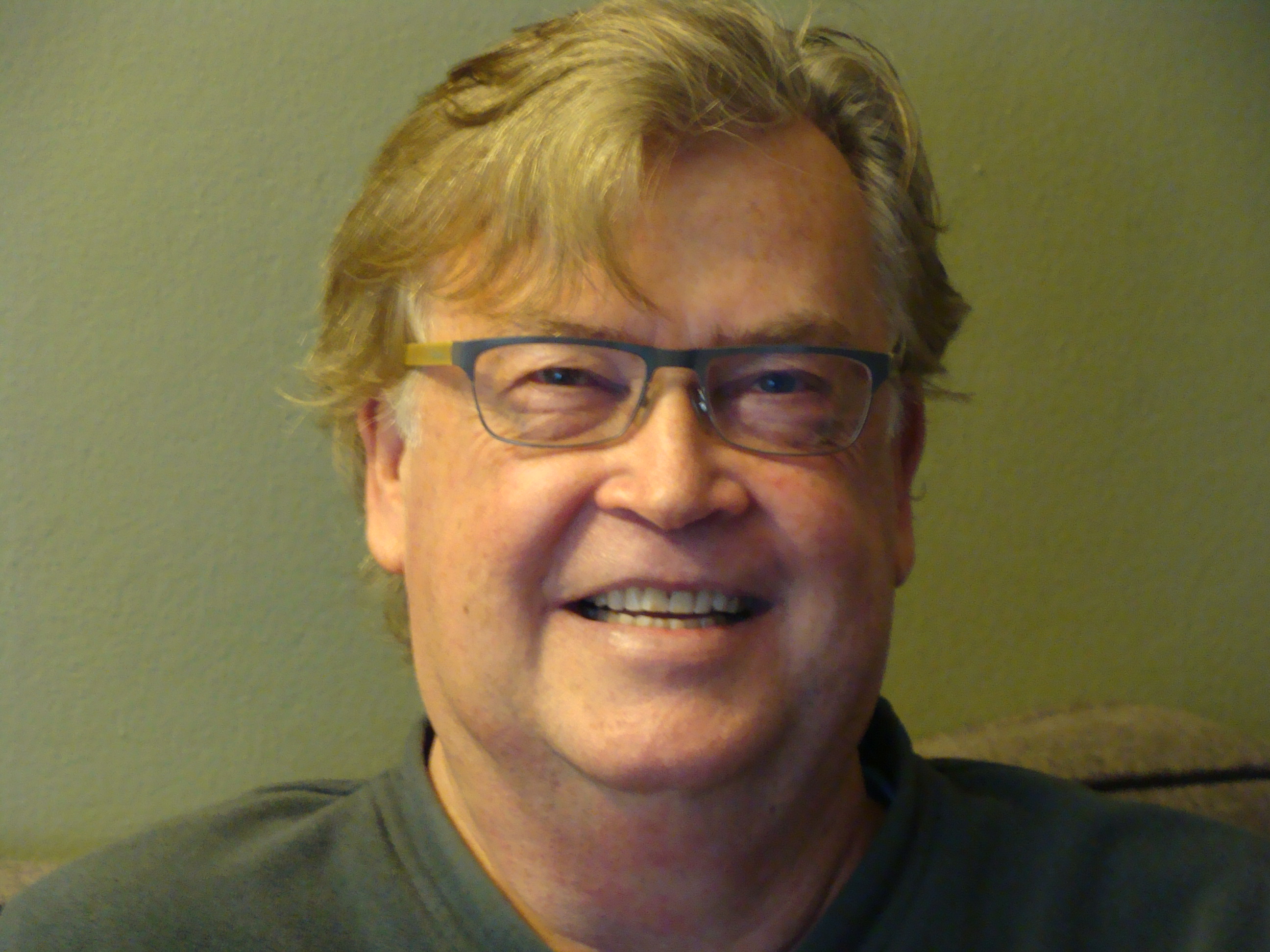 Leon has been a NWSSA member since 1989 having served on the board, and as sculpture exhibit chair, finding and arranging opportunities for the organization to exhibit. He is an International Award Winning artist in both painting and sculpture. His works are in private, corporate, public and museum collections and; he is a signature member in national and international organizations. Leon is represented by Matzke Fine Art Gallery & Sculpture Park on Camano Island, WA. (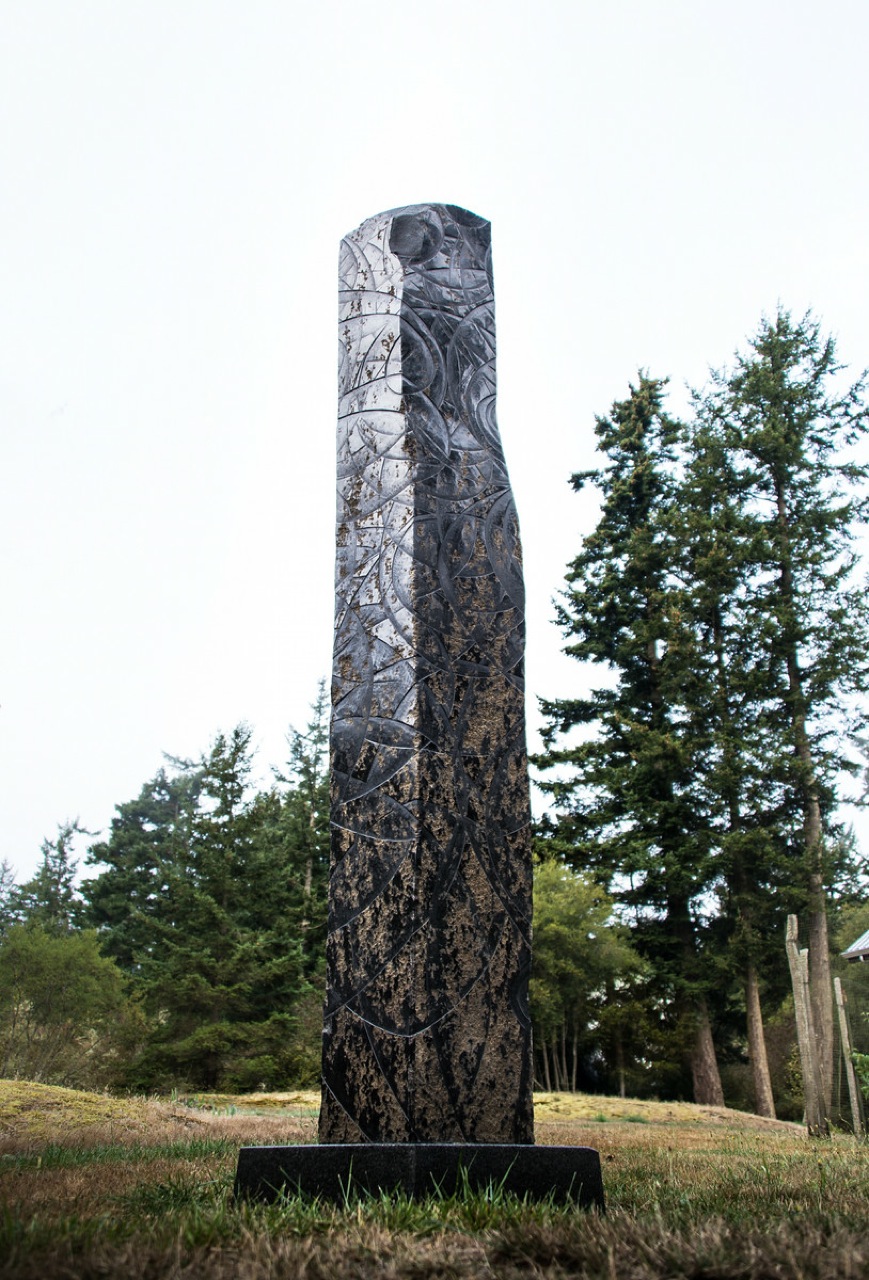
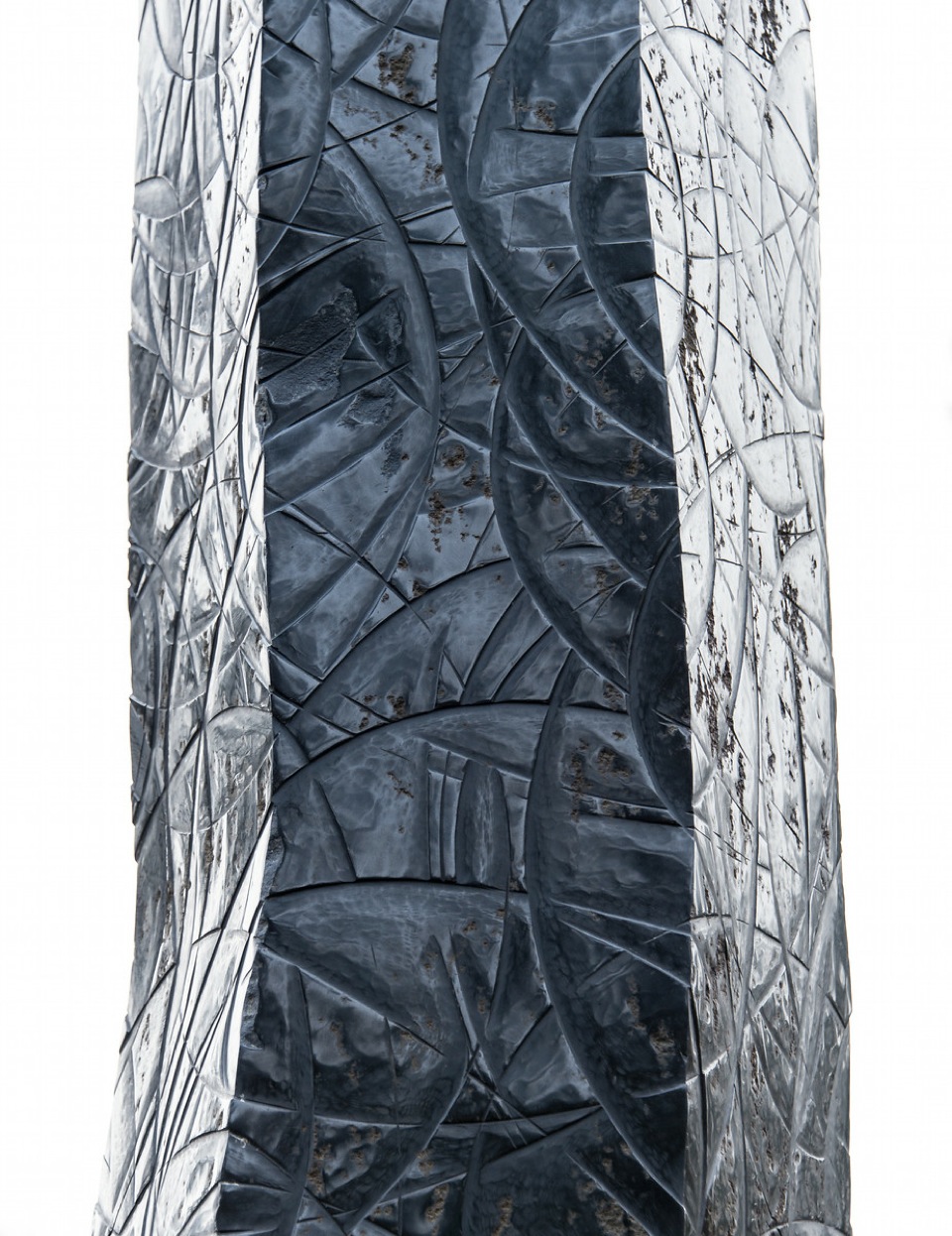 Storyteller feels like a personal Rosetta Stone that leaves clues to an unknown culture. As a child I was fascinated by the adventures of archaeologists who deciphered Egyptian hieroglyphs. The power ofstone to carry messages from other times and spaces is a big part of my love for stone.